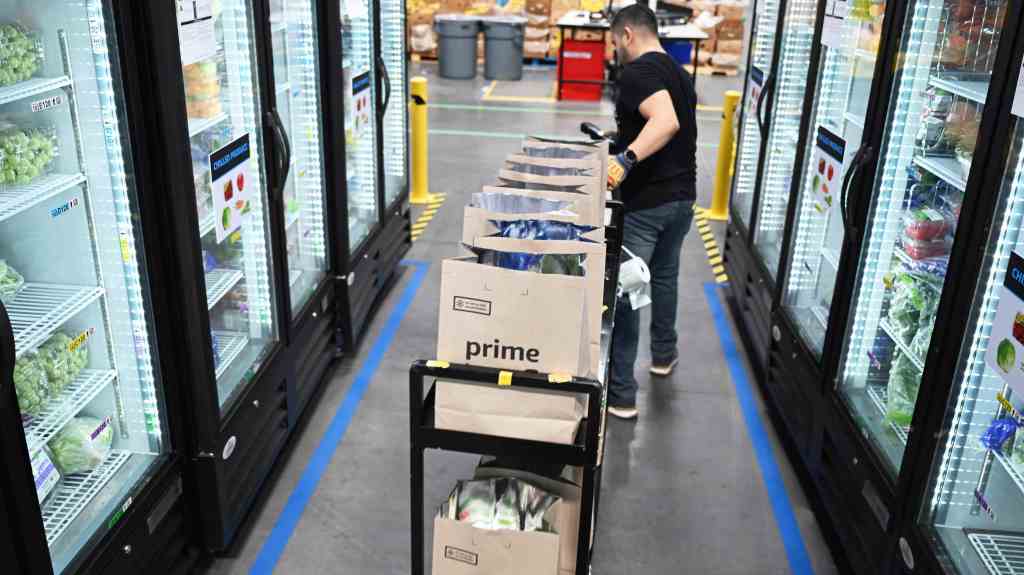
Most customers probably do not think about everything that happens before an Amazon package reaches their doorstep. They place an order, receive a delivery date and wait for the package to arrive. Behind that simple experience is a large system of buildings, technology and employees working together. After reading Chapter 3, I realized this entire process is a good example of how a company’s internal environment can create a competitive advantage.
Amazon’s value chain begins before a customer even places an order. Products must be purchased from suppliers, received and stored. Once an order is placed, the item must be prepared and moved through the transportation network. Each step adds value, but each step also depends on the one before it.
From my experience working in operations, improving one area does not always improve the entire process. A department may increase its productivity while creating too much work for the next department. For example, increasing output in one part of a process may not help if the next part cannot manage the additional workload. One area may appear successful on paper while the overall process becomes less efficient. This is why the connection between processes matters just as much as the performance of each individual process.
Amazon’s physical resources are easy to see. The company has fulfillment centers, delivery stations, vehicles and equipment across its network. However, some of its strongest resources cannot be physically seen. These include its operational knowledge, customer trust and the information collected through its systems.
Competitors may have enough money to build warehouses or purchase similar equipment. The difficult part would be copying how Amazon connects its buildings, employees and technology. This system has developed over many years through experience, mistakes and continuous improvement. A competitor cannot purchase that experience overnight.
Working in continuous improvement has also shown me that having data does not automatically solve a problem. Information can show that a process is not meeting expectations, but it may not explain why. Leaders still need to observe the work, speak with employees and understand what is happening throughout the process. The issue may involve training, resources or communication between teams. Without finding the actual cause, a quick solution may improve a number without creating a lasting change.
The balanced scorecard discussed in Chapter 3 also connects with what I have seen in operations. Productivity and financial results are important, but they do not tell the full story. A process can produce a strong result while also creating concerns in other areas. That performance may look good in the short term, but it can create bigger problems later.
My biggest takeaway from this chapter is that Amazon’s advantage is not one warehouse, one machine or one computer system. Its advantage comes from how the different parts of the company work together. The real challenge is keeping those parts connected while continuing to improve safety, quality, productivity and the customer experience.


Leave a Reply